Source birthstone cubic zirconia for jewelry, gifts, and crafts
Find 24 listings of birthstone cubic zirconia beads in various shapes and colors from Guangxi and Wuzhou suppliers. Buyers can compare synthetic gemstone sizes, cut styles, and customization options for jewelry making and wholesale orders.
Key considerations
Products List



Comprehensive Sourcing Guide
Strategic Sourcing Guide for Birthstone Cubic Zirconia Beads
The global market for synthetic gemstones has expanded significantly, with cubic zirconia (CZ) emerging as a dominant material for cost-effective jewelry manufacturing. For procurement professionals targeting birthstone cubic zirconia beads, the supply chain presents a complex landscape of variations in cut, size, and quality grading. This guide synthesizes available market data and technical requirements to assist buyers in navigating the sourcing process for these specific components. The focus remains on evidence-based criteria, ensuring that procurement decisions are grounded in observable product attributes rather than unverified marketing claims.
Technical Specifications and Material Composition
Understanding the precise technical specifications of cubic zirconia beads is the first step in defining a robust Request for Quotation (RFQ). The core material is synthetic, often referred to as lab-created, which distinguishes it from natural gemstones. In the current market, the classification often falls under "Zircon" in broad categorization, though the material itself is chemically distinct cubic zirconia. Buyers must verify the specific gemstone material designation, as the term "Zircon" can sometimes cause confusion with natural zircon stones.
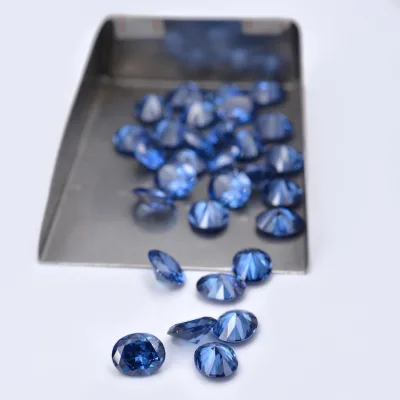
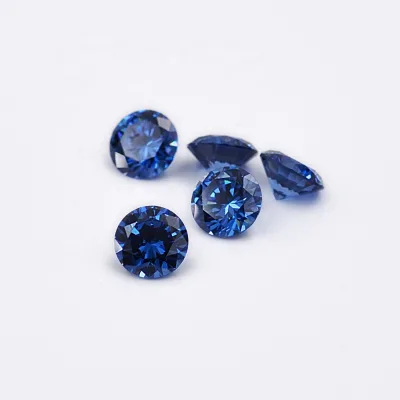
Size specifications vary widely depending on the intended application. Observed market data indicates a broad range of sizes, from small dimensions like 3mm up to larger beads reaching 20mm or even 30mm in specific standard configurations. Specific listings have noted precise dimensions such as 5x5mm, 4x6mm, and 3x5mm, suggesting that suppliers offer both standard round beads and custom-cut shapes. The shape is not limited to the traditional round; market observations include heart shapes, oval cuts, and rectangle octagon forms. This variety allows for diverse design possibilities in jewelry assembly.
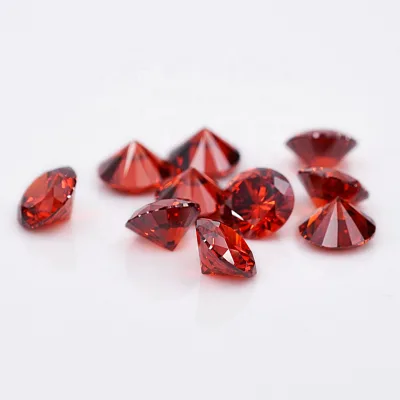
The cutting process is a critical differentiator. High-quality beads often feature a "Star Cut" or "European Star Cut," which enhances light refraction and brilliance. This specific surface treatment is a key technical attribute to verify when evaluating samples. The gemstone color is another vital specification. While the material is synthetic, the color palette is extensive, including white, yellow, red, and specific birthstone hues like citrine and black peridot. Buyers should ensure that the color listed in the technical data sheet matches the visual sample, as synthetic stones can vary in hue saturation.
Quality Grading and Certification Verification
Quality assessment in the synthetic gemstone industry relies heavily on grading systems that may vary between suppliers. Commonly observed quality grades in the market include A, AA, AAA, Aaaa, and Aaaaa. These designations generally correlate with clarity, cut precision, and color consistency. For instance, a product listed with "High" grade and "AAAAA" standard implies a superior level of finish compared to a standard "AA" grade item. However, these terms are not universally standardized across the entire industry.
When evaluating suppliers, buyers must treat these quality labels as observations rather than absolute guarantees. It is essential to request physical samples to verify the "High" grade claim. The presence of specific certifications or third-party test results is often a requirement for large-scale procurement, yet the provided data does not confirm universal certification status for all listed products. Therefore, the procurement strategy should include a clause requiring the supplier to provide independent laboratory reports for high-volume orders to validate the claimed quality standards.
Compliance checks should also extend to the origin of the goods. The primary production hubs identified in the market data are located in Guangxi and Wuzhou, China (Mainland). While these regions are known for gemstone processing, buyers should verify that the manufacturing process adheres to international labor and environmental standards. The "Place of Origin" and "Product Origin" fields in supplier documentation must be consistent and verifiable.
Cost Drivers and Pricing Dynamics
The pricing of birthstone cubic zirconia beads is influenced by several dynamic factors. The observed price range in the market spans from 0 to 100 USD, though this likely represents a broad spectrum of order volumes and product qualities rather than a fixed unit price for all items. The cost is heavily driven by the complexity of the cut, the size of the bead, and the specific color requested.
Customization availability is a significant cost driver. Suppliers that offer "as Customer's Demands" packing or custom shapes often charge a premium. The "European and American" or "Korean" style influences can also impact pricing, as these styles may require more intricate cutting processes. Additionally, the Minimum Order Quantity (MOQ) plays a crucial role in the unit cost. Market data shows MOQs ranging from 1 piece for sample orders to 1000 pieces for bulk production. Lower MOQs, such as 1 or 10 pieces, typically result in higher per-unit costs due to the setup and handling overhead.
Buyers should anticipate that the "High" grade and specific star-cut finishes will command higher prices than standard round beads. The material cost of the cubic zirconia itself is relatively low, but the labor-intensive cutting and polishing processes, particularly for shapes like hearts or complex octagons, add significant value. When negotiating, it is advisable to request a tiered pricing structure based on volume to understand how the cost scales from small batches to large production runs.
Supplier Evaluation and Operational Capabilities
Selecting the right supplier requires a thorough evaluation of their operational capabilities and reliability. The market data indicates that suppliers in Wuzhou and Guangxi are the primary sources. When evaluating these potential partners, buyers should look for evidence of consistent production capacity and quality control measures. The ability to provide samples is a critical indicator of supplier confidence; many listings explicitly state that samples are available, which is a positive signal for new procurement relationships.
Packaging standards are another area of evaluation. Suppliers offer various packaging options, including sponge paper, standard export cartons, and soft paper. The choice of packaging depends on the fragility of the beads and the shipping requirements. For high-value orders, "Standard Export Cartons" are preferred to ensure protection during transit. Buyers should verify that the packaging method aligns with their logistics requirements and that the supplier can accommodate specific "Customer's Demands" for custom packaging if necessary.
Lead times and production flexibility are also essential. While specific lead time figures are not universally provided in the general data, the ability to handle "Customization" suggests a degree of flexibility. Buyers should inquire about the supplier's capacity to handle rush orders and their standard production cycles. The "MOQ" flexibility, ranging from 1 to 1000 pieces, indicates that many suppliers can accommodate both prototyping and mass production, but the terms may vary significantly between them.
Typical Applications and Market Usage
Birthstone cubic zirconia beads are versatile components used across various jewelry applications. The "Suitable for" attributes in the market data indicate usage for both male and unisex designs, as well as specific styles like "European and American" and "Korean" fashion. This versatility makes them ideal for creating necklaces, bracelets, earrings, and rings. The heart shape and round shape beads are particularly popular for romantic or classic designs, while the rectangle octagon and oval shapes suit more modern or geometric aesthetics.
The specific color options, such as citrine and black peridot, align with birthstone traditions, making these beads highly relevant for personalized jewelry. The "Star Cut" surface treatment enhances the visual appeal, making the beads suitable for high-end costume jewelry and fashion accessories. The "High" grade and "AAAAA" standard products are often targeted at premium segments where clarity and brilliance are paramount.
Quality Control and Long-Term Procurement Strategy
Implementing a rigorous quality control (QC) protocol is essential for maintaining product consistency. Buyers should establish clear acceptance criteria based on the observed attributes, such as size tolerance (e.g., 5mm vs. 5.5mm), color accuracy, and cut precision. The "Quality" grades (A, AA, AAA, etc.) should be defined with specific visual standards to avoid ambiguity. Regular inspections, either on-site or through third-party agencies, are recommended to ensure that the "High" grade claims are met in every batch.
For long-term procurement, building a relationship with suppliers who demonstrate consistency in their "Product Origin" and "Standard" adherence is crucial. The variability in "Gemstone Size" and "Shape" across different listings suggests that buyers must maintain open communication with suppliers to ensure that specifications remain stable over time. Additionally, the availability of samples allows for continuous testing and validation of new designs or color variations.
Comparative Analysis of Product Attributes
To facilitate decision-making, the following table summarizes key product attributes observed in the market for birthstone cubic zirconia beads. This comparison highlights the variability in specifications that buyers must navigate.
| Attribute Category | Observed Variations | Key Verification Points |
|---|---|---|
| Material | Cubic Zirconia (Synthetic) | Confirm "Lab Created" status; distinguish from natural Zircon. |
| Shape | Round, Heart, Oval, Rectangle Octagon | Verify cut precision; check for "Star Cut" or "European Star Cut". |
| Size | 3mm to 30mm (e.g., 5x5mm, 4x6mm) | Confirm tolerance ranges; request physical samples for size accuracy. |
| Color | White, Yellow, Red, Citrine, Black Peridot | Match color to specific birthstone requirements; check for consistency. |
| Quality Grade | A, AA, AAA, Aaaa, Aaaaa | Define visual standards for each grade; request lab reports for high grades. |
| Origin | Guangxi, Wuzhou (China Mainland) | Verify "Place of Origin" and "Product Origin" consistency. |
| MOQ | 1 to 1000 Pieces | Negotiate tiered pricing; confirm sample availability policies. |
| Packaging | Sponge Paper, Standard Export Carton | Ensure packaging meets shipping requirements; check for custom options. |
Conclusion
Sourcing birthstone cubic zirconia beads requires a disciplined approach that balances technical specifications, quality verification, and supplier reliability. The market offers a wide array of options in terms of shape, size, and color, but the lack of universal standardization in quality grading necessitates careful due diligence. By focusing on observable attributes, requesting samples, and establishing clear quality control protocols, buyers can mitigate risks and secure a steady supply of high-quality components. The flexibility in MOQ and customization options provided by suppliers in Wuzhou and Guangxi offers significant opportunities for both small-scale prototyping and large-scale production. Ultimately, success in this sector depends on maintaining rigorous standards and fostering transparent relationships with suppliers who can consistently deliver on their technical promises.
FAQs
What material is used for these birthstone cubic zirconia beads?
The beads are made from synthetic cubic zirconia, also known as lab-created material. This classification distinguishes them from natural zircon stones while offering similar visual properties for jewelry applications.
Which shapes are available for these synthetic gemstone beads?
Available shapes include round, heart, oval, and rectangle octagon forms. Buyers can select from these options to match specific design requirements for necklaces, bracelets, or earrings.
How does the quality grading system work for these beads?
Quality grades range from A to Aaaaa, with Aaaaa representing the highest standard. These labels indicate variations in clarity, cut precision, and color consistency observed in the market listings.
Can suppliers provide samples before placing a bulk order?
Yes, samples are available for many listed products to verify quality and specifications. This allows buyers to test the star cut finish and color accuracy before committing to larger quantities.
What is the minimum order quantity for purchasing these beads?
Minimum order quantities vary from 1 piece for samples up to 1000 pieces for bulk production. Specific listings show MOQs of 1, 10, or 50 pieces depending on the supplier and customization needs.
Where are these cubic zirconia beads manufactured?
The primary production locations are Guangxi and Wuzhou in China Mainland. Buyers should verify the specific product origin on documentation to ensure consistency with the supplier's claims.